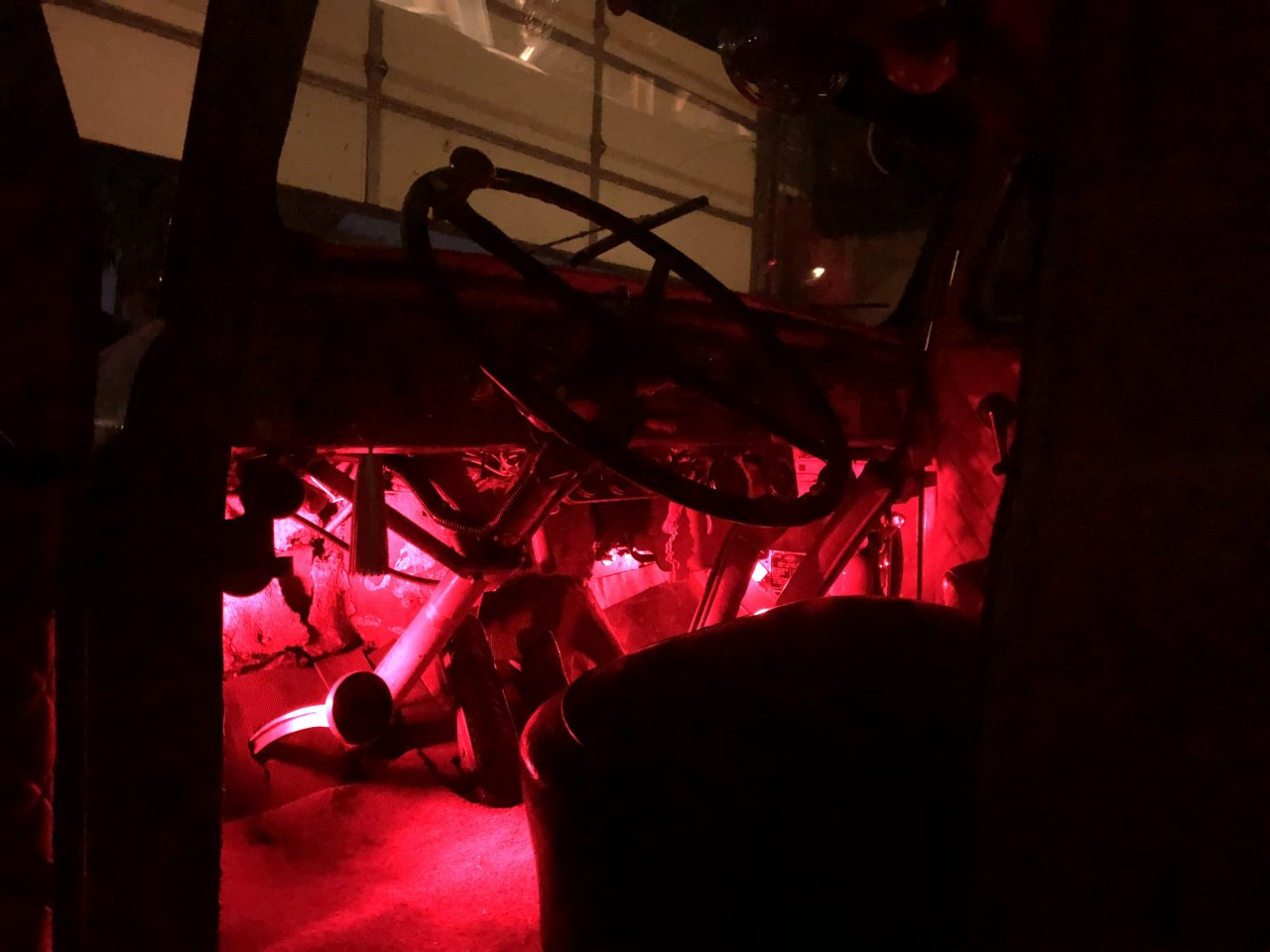
Introduction
For first-time truck drivers, attaching lights, mirrors, and auxiliary systems is usually thought of as a simple part compared to route planning or cargo management. In fact, these setups are directly related to safety, comfort, and long-term performance at the steering wheel. Most of the times, the beginners do not drive errors due to carelessness but solely because of lack of experience and mishearing that small changes can lead to large problems on the road.
Common truck driving rookie mistakes are failing lights, mirror placement errors, and incorrect setups of the auxiliary systems. The majority of the beginner setup errors can additionally result in challenges, such as the decreased visibility, the increased fatigue, and even the electrical problems that are hard to identify in the future.
This article contains the details about the most frequently done mistakes by new drivers while setting up lights, mirrors, and auxiliary systems, as well as how to avoid them.
The Lighting Mistakes That Impair Visibility and Safety
Setting up lights in a truck is not just about it being bright. One of the most common lighting errors that rookies make is to focus on the appearance instead of the function. The use of style lighting that is wrong, and thus looks impressive but does not shine on the essential areas, leads to harsh or dim lighting conditions that the new truck driver has to deal both inside and outside the cab.
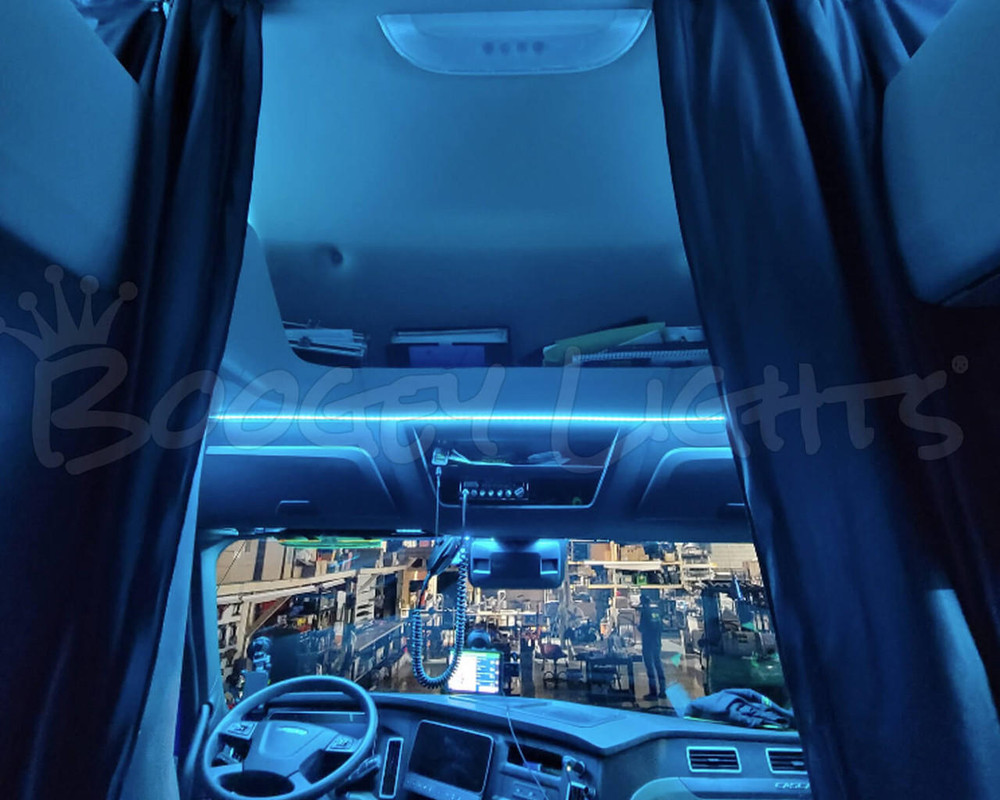
Another issue that is often overlooked is natural light. Novice drivers frequently put the indoor lights at the wrong positions, without taking into account the glare of the day or the reflection of the lights at nighttime. This situation results in poor contrast, eye strain, and reduced visibility at night. When the lights are desolate they bring on the feeling of fatigue but the over glare, on the other side, distracts the concentration during long night driving.
Rookie wiring errors are also a major factor contributing to the setup errors discussed above. Old cable runs, bad grounding, and component mismatches can cause a voltage drop which will flicker the lights, cause inconsistent brightness, and they will fail before their time. Many of the lighting issues that are perceived to be linked to defective light bulbs are really the cause of bad installation.
The mistakes of new drivers when installing the lights are mainly, first, to need to take into account the even distribution of the light, then, a careful check of the ground points, and finally, they have to carry out the tests at a real driving condition of the lights that have been installed not only while parked.
Errors in Mirror Placement That Result in Blind Spots
Mirror placement errors are among the most dangerous newbie mistakes in truck driving. A hanging mirror too high is a surprisingly frequent mistake that is made by tall drivers. This leads to visual blind exposure of other lanes and turns the driver into constantly head-moving person; thus, causing to use more energy and increase the reaction time.
Mirror Set Up – Medium Rigid Truck
Another frequent error is the use of small mirrors that appear small in size but yet reduce the field of vision. It’s common for rookie drivers to value style or mirror memory placements over performance. The mirror decor might not match, but it could distract attention or interfere with mirrors adjustment.
False angles of the mirror create blind spots that go unnoticed until the close call happened. A lot of beginners set mirrors when absolutely still, without checking alignment during the real driving. Proper placement of the mirrors requires adjustment while the driver is in a natural driving position, considering the length of the trailer and behavior when turning.
Auxiliary Systems Setup: Most Challenging Area for Novices
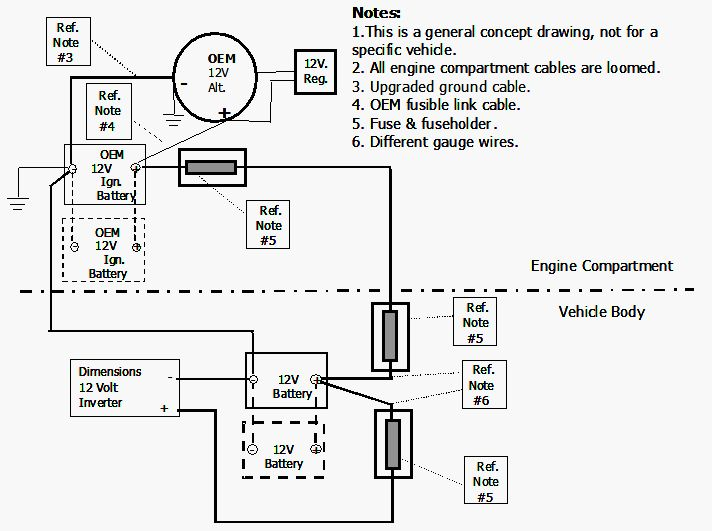
Auxiliary systems refer to the lighting, inverters, HVAC add-on, fridge, and communication devices that you add to the truck. The process of setting up auxiliary systems is often accompanied by the anxiety of drivers who are interfering with their trucks.
The most frequently committed rookie mistakes are to connect multiple systems without the understanding of the total load capacity. The addition of auxiliary lights or devices without proper initial power loading causes the most common voltage drop problems. Intermittent problems are caused by incorrect wiring and poor ground connections which are difficult to identify later.
In troubleshooting the system, the mishandling has been found mostly at the time of assembly. The drivers may run wires through hot areas, not protect the connections, or overload the circuits. The wrong functioning not only reduces the performance but also can create safety issues.
The junior drivers should think of auxiliary systems as a part of the vehicle’s operation not a decorative upgrade.
Some Overlaps When Switching on Lighting, Mirrors, and Accessories
The problems multiply when multiple systems operate together. Harsh or dim lighting, when combined with an incorrect mirror position, will more or less multiply blind spots and visual fatigue. Mismatched decor and poorly positioned accessories clutter the cab and distract from critical visual cues
.
Rookie errors are mostly born out of the initiative, and out of the one-sided judgment to deal with a particular challenge without understanding the overall driving situation. For instance, adding brighter interior lights without adjusting mirror angles increases glare. Installing auxiliary lights without understanding power distribution leads to repeated electrical issues.
The most common mistakes are made when the driver attaches more importance to comfort or outward appearance than by correcting the blind, imbalanced, or unsafe setup.
Tips on How to Avoid Rookie Setup Errors
It has been found that avoiding these mistakes does not call for advanced technical skills but instead patience, testing, and understanding that the setup has a tangible impact on the way you drive.
The basic rules comprise:
- Setting up lights according to visibility rather than brightness
- Mirrors should be adjusted to obviate a blind spot rather than for aesthetic reasons
- Quality of wiring should be checked to prevent the drop and possible failures
- Auxiliary systems should be seen as tools and should be treated as such not as decorations
- Setups should be tested while actually driving at day and night
Truck driving requires a continuous following of the aforementioned principles. A correct setup assures the driver of low stress, quick reaction time, and long life safety.
Lights, mirrors, and auxiliary systems, no matter how insignificant they may seem before driving, are instrumental in altering a driver’s view, reaction, and performance on the road. In these areas, new drivers usually make mistakes but they are also the ones that can be easily avoided.
The beginner truck drivers can prevent the problems by correcting the lighting mistakes, fixing mirror placement errors, and controlling auxiliary system setups with a functional view.
Common Challenges for Beginning Drivers Disregard During Initial Configuration
Even though the common adjustments are done, a significant number of mistakes are often overlooked that are not detected until they come out in real driving conditions. Among the mistakes, one of the most common is the overlooking sunlight when arranging interior lamps. The combination of direct sunlight reflected on the wrong windows and mirrors cabin lighting makes them less visible.
Another common fault is selecting unsuitable design accessories that are attractive but somehow obstruct visibility and impair ergonomics. Mirrors or light sources are often the decorative elements where one can easily mistake them and cause visual clutter. This decoration, which is not matching, actually gives the feeling of distraction rather than personalization.
Some of the rookie identifying setup errors are oftentimes periodical. A dim light that is a cause of discomfort to eyes is perceived over time, and the mistaken source of it is usually attributed to the bulb failure instead of wiring resistance or poor grounding. These little mistakes in operation build up and create a loss of confidence in driving.
Common Rookie Setup Errors and Their Consequences
| Rookie Setup Error | Primary Cause | Long-Term Impact |
| Hanging mirrors too high | Poor seating reference | Increased blind spots |
| Ignoring natural light | Incorrect lamp positioning | Glare and eye fatigue |
| Choosing wrong style lighting | Aesthetic priority | Harsh or dim lighting |
| Small mirror selection | Space-saving mindset | Reduced field of view |
| Mismatched decor | Personalization overload | Visual distraction |
Auxiliary Systems Setup: Functionality Failures
The auxiliary systems setup is the section where the young drivers’ mistakes become the most costly. Cloak drivers install multiple devices without determining the total electrical demand. This goes against the proper voltage regulation.
When troubleshooting auxiliary lights, often the problem is wiring routes, undersized cables, or poor grounding instead of the light itself. These rookie mistakes are common because they mistakenly install without planning and depend on trial&error instead.
Another issue that doesn’t get attention is heat exposure. Routing wires near engine compartments or HVAC units accelerates insulation damage, leading to intermittent failures that are difficult to trace later.
Auxiliary Systems Issues and Practical Fixes
| Issue Observed | Likely Cause | Corrective Action |
| Flickering auxiliary lights | Voltage drop | Improve ground connection |
| Devices shutting off | Overloaded circuit | Recalculate power demand |
| Intermittent failures | Poor wiring protection | Reroute and insulate cables |
| Dim lights | Resistance in wiring | Shorten cable runs |
| Repeated fuse blows | Incorrect wiring | Verify load ratings |
Practical Light Installation Tips for Rookie Drivers
Effective lighting setup requires a functional mindset. These light installation tips help avoid early problems:
- Install lights to reduce shadows, not increase brightness
- Test visibility at night and in daylight
- Avoid placing lights directly in the driver’s line of sight
- Secure ground connections before final installation
- Verify wiring integrity under vibration
Understanding the dim lights cause early prevents unnecessary replacements and recurring failures.
How Rookie Setup Errors Compound Over Time
One defect often leads to another. For instance, the dim light leads to eye fatigue which makes the mirror much more difficult to place. The wrong mirror adjustments in conjunction with strong light can blind spots and slow reactions.
Novice setup errors are likely to accumulate as they are often treated as personal problems rather than systemic ones; this makes them multiply. For, as a rule, these typically small, but many defects turn into habits that, over time, reduce driving quality.
FAQ: Lights, Mirrors, and Auxiliary Systems for Rookie Drivers
What are the most common beginner errors when setting up truck mirrors?
The most frequent issues include hanging mirrors too high, using small mirrors, and mirror decorating mistakes that interfere with adjustment and visibility.
Why do dim lights keep coming back even after replacing bulbs?
In most cases, dim lights cause problems due to voltage drop, poor ground connection, or incorrect wiring rather than faulty bulbs.
How can rookies avoid auxiliary system failures?
Proper auxiliary systems setup requires planning total electrical load, using correct wire gauges, and securing all ground points before installation.
Is mismatched decor really a safety issue?
Yes. Mismatched decor can distract attention, reflect light unpredictably, and interfere with mirror visibility, especially during night driving.
What is the best way to test a new setup?
Test all systems during real driving conditions — day, night, and vibration—not only while parked.
Final Takeaway for Rookie Truck Drivers
Most setup problems do not come from lack of effort but from lack of system thinking. Lights, mirrors, and auxiliary systems work together as one operational environment.
By recognizing common pitfalls, correcting beginner errors early, and prioritizing function over appearance, rookie drivers can avoid long term issues and build a safer, more comfortable driving experience from the start. Many early issues that frustrate new drivers can be traced back through proper auxiliary light troubleshooting, revealing setup decisions made without full system awareness. Most of these problems are not equipment failures but simple functionality mistakes that compound over time when left uncorrected.