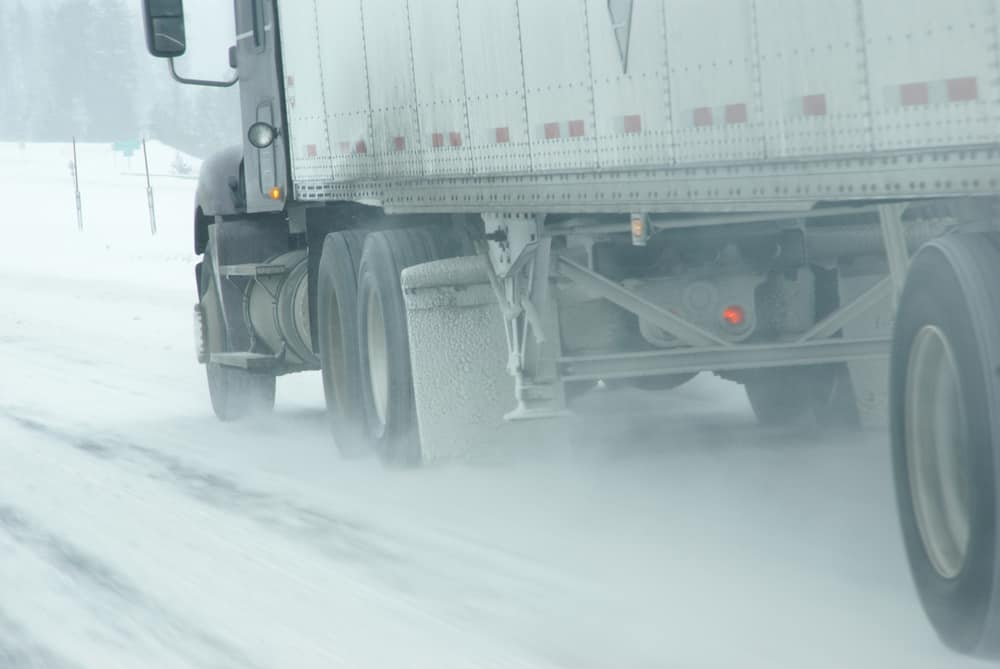
Winter turns the regional drivers’ life upside down. While the distances breached may be shorter than OTR, long, cold wind, frequent stops, damaged roads, and little recovery make winter trips equally arduous. Snow doesn’t always have to be something extraordinary to cause problems. Just a light freeze on the road in the morning, slushy industrial zones, or a truck parked at the wrong time can totally change an ordinary day into a mess at work.
From a practical standpoint, winter regional operations depend heavily on essential equipment rather than excess gear that adds weight without solving real problems.According to the National Highway Traffic Safety Administration (NHTSA), drivers should stock their vehicles with tools such as a snow shovel, ice scraper, abrasive materials, jumper cables, first aid supplies, and a flashlight to handle common winter driving situations. NHTSA
For this reason, in the case of regional trucking, making winter preparations is not about riding everything that might be needed “just in case.” It is for the proper people to know about the kit of things for a car in winter that are a must-have, and things that are not only a little cluttered but also give false confidence.
Understanding which car essentials truly support daily operations helps drivers avoid unnecessary complications during winter driving.
This article presents winter tools from the perspective of drivers and gives a clear demarcation between items that are necessary and those that are merely pleasant to have, even if often unused.
Equipment readiness keeps you safe — but smart market selection keeps you profitable. This breakdown of truck driver salary in Massachusetts helps evaluate real earning potential by region.
Winter Driving on Regional Routes: A Different Kind of Risk
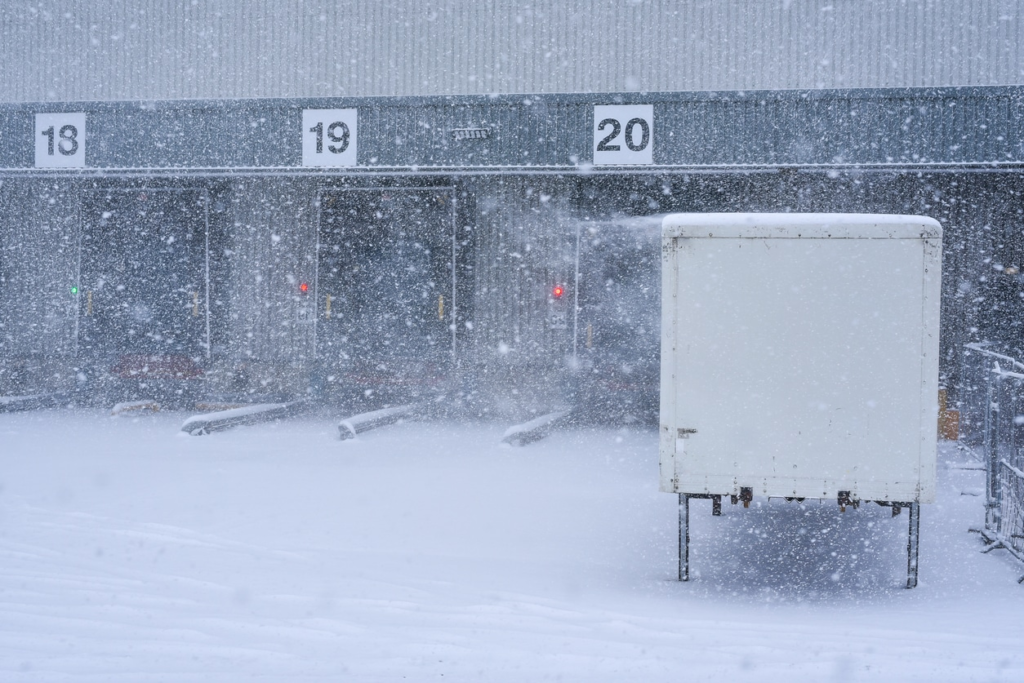
Regional routes are like a winter fairytale to drivers. Loading docks, traffic in crowded cities, rural connectors, and secondary roads which are often not cleared are what drivers face. Breakdowns don’t happen because you are far away from help thousands of miles, but at such discomfortable times like early mornings, late evenings, or when you are on an active delivery route.
Winter Driving Tips for Truck Drivers
Winter driving on regional routes means:
- your truck makes more stopping and starting
- you are more exposed to slippery roads
- you have less time to “wait out” bad weather
- there are more interactions with pedestrians and dock workers
More interactions with pedestrian and dock workers because of this, valise preparation and choice of equipment is important more than just quantity.
Seasonal awareness and winter safety planning play a decisive role in preventing small issues from escalating.
Equipment That You Have to Have
Winter Tires: No Discussion
Winter tires are not just normal things to put on in cold areas. Even on a solid paved path, all-season wear becomes less useful as the temperature dips. The right snow tires increase grip, decrease stopping distances, and help keep the vehicle under control on slush and packed snow.
High-quality winter tires remain the foundation of safe vehicle handling in cold conditions.
They are actually the basic premise of winter security. No ornament or anything else can substitute them for a tire that is not performing.
Ice Scraper and Snow Shovel: Just Simple Tools, But They Matter So Much
One of the most underrated tools is the ice scraper. Of course, clearing the windshield, mirrors, lights, and sensors is not just a courtesy but also a legal and safety requirement.
A snow shovel comes in handy for:
- shoveling around wheels
- unblocking frozen airlines
- gaining access to the dock or a parking space
These tools consistently prove themselves as necessary items during winter operations.
The tools are light, cheap, and practically always useful.
Traction Materials: Little Things, Great Utility
Sand, traction mats, or any other approved traction materials can be a big help in the time of wheel spin on ice or compacted snow. In some cases, it is the most appropriate way out in the yards and industrial areas because of the uneven plowing.
They don’t take the place of proper driving skills but with the right material, a frozen spot can be tamed and managed.
Jumpers: Empty Cold Starts!
Freezing winter causes the problem of empty batteries. Well, this happens also for trucks that are supposed to be maintained well if they are often running short or exposed during the night.
Reliable jumper cables remain one of the most overlooked breakdown essentials for regional winter driving.
Jumper cables stay, as usual, a basic must-have in the case of breakdowns, especially for regional drivers that make frequent stops and may not idle for a long time to recharge fully.
Emergency Kit: Be Ready and Not in a Panic
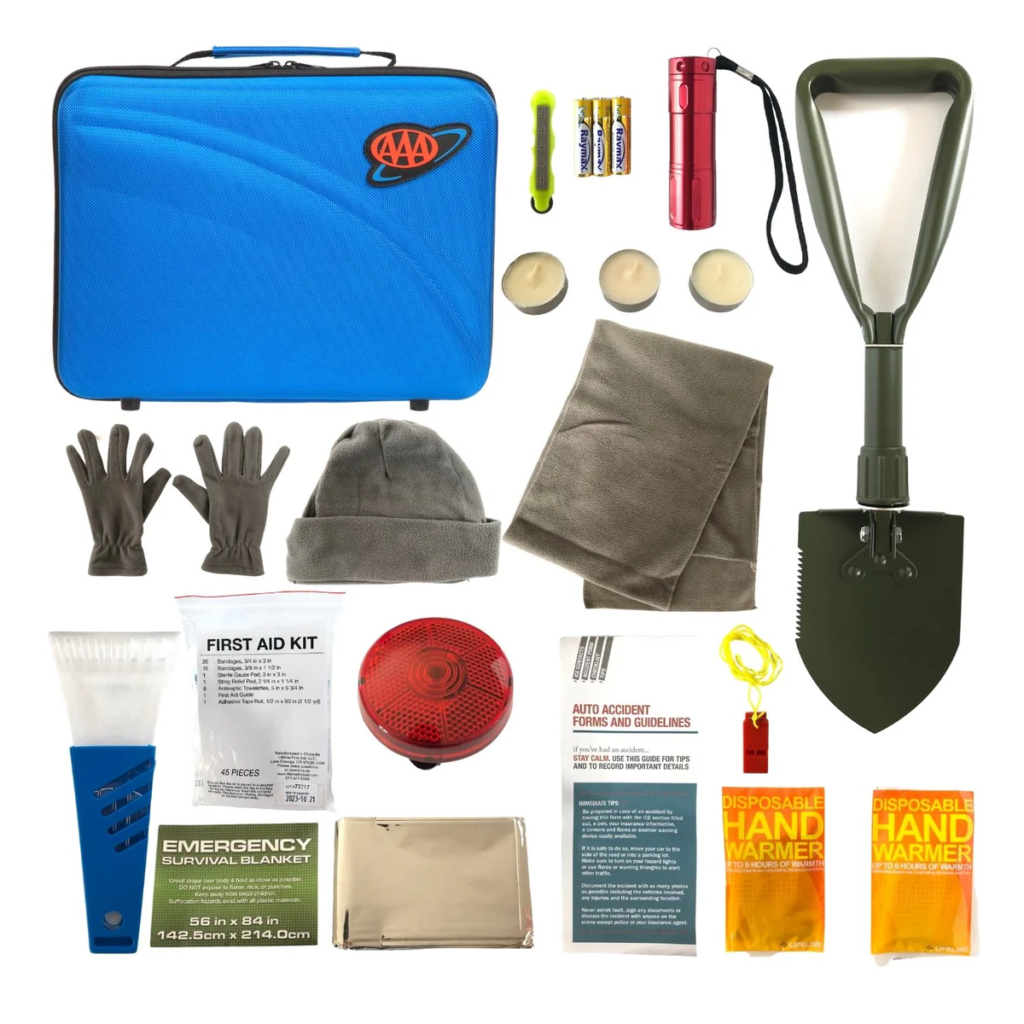
A proper emergency kit can’t make a driver into a survivalist. It only helps one to be functional and safe until help comes.
A winter emergency kit must include:
- a flashlight with extra batteries
- a reflective vest or triangles
- a basic tool kit
- gloves for work in the cold
Such a kit represents practical essential equipment rather than an extreme contingency setup.
Such a kit is for security and not heroics.
A First Aid Kit: Very Important, but Not as Surface Decoration
A first aid kit is sometimes carried, but unfortunately often overlooked. When the weather is cold, the risk of slipping, accidents like frozen steps, icy docks, and numb hands are more prevalent.
It must be reachable, equipped, and usable even with gloves. It really is one of the essential things a car should have and not just some extra stuff.
Cold Weather Gear: For Staff, Not for a Truck
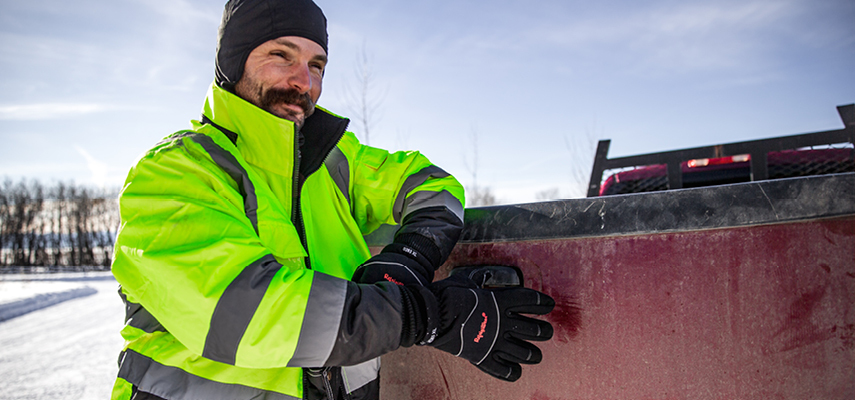
Cold affects people and cars the same. Therefore warm clothing is necessary when one is involved in inspections, fuel transactions, or waiting for a roadside repair.
Proper cold weather gear directly supports physical endurance and mental focus in freezing conditions.
These are the must-haves:
- insulated gloves
- thermal layers
- waterproof boots
Right clothing affects concentration and decision-making positively.
Essential Winter Equipment Overview
The table below outlines what the actual essential winter equipment for regional routes is.
| Equipment | Purpose | Why It’s Essential |
| Winter tires | Traction and braking | No substitute for proper grip |
| Ice scraper | Visibility | Legal and safety requirement |
| Snow shovel | Mobility | Prevents minor situations from escalating |
| Traction materials | Wheel grip | Helps in yards and docks |
| Jumper cables | Cold starts | Battery reliability drops in winter |
| Emergency kit | Visibility and safety | Supports controlled response |
| First aid kit | Injury response | Higher slip risk in winter |
| Cold weather gear | Driver performance | Safety starts with the driver |
Superfluous Gear: What Looks Useful but Often Isn’t
Carrying excessive or superfluous gear may create a sense of preparedness while reducing efficiency and organization.
Oversized Survival Kits
Some of such winter kits are made especially for rugged wilderness constantly hit by winter storms, not for regional truck drivers. Large survival packs full of the tools one doesn’t need only create a mess, and they hardly ever get used.
They often mislead people into thinking they are ready when they are not.
Multi-Purposed Tools
Carrying three shovels, some flashlights, and duplicate traction aids does not necessarily add to your notch count. What it actually does is that it increases the weight you have to carry and it decreases the orderliness of your organization.
Winter preparation which is efficient values reliability more than redundancy.
Unapproved Heating Devices
Portable heaters and improvised warming tools are as good as risk-takers. They can damage the equipment, create a fire hazard, and even violate a company policy.
The real solution is the proper gear and safe cab heating systems.
Novelty Gear Marketed as “Winter Essentials”
Items of merchandise that deliver instant traction or promise miracle fixes often flop under the real circumstances. Equipment that isn’t uniform across the fleets or that isn’t suggested in safety guidelines is usually without merit.
Vehicle Preparation: Equipment Alone Is Not Enough
The equipment only works if it is married or paired with proper vehicle preparation. Before winter:
- check the batteries
- inspect the tires and pressure
- ensure the lights and sensors are functional
- verify the windshield washer fluid is winter rated
Equipment is not a replacement for preparation; it is a supporter instead.
Emergency Supplies vs. Everyday Use
A common mistake that drivers tend to do is to view emergency supplies as “only for disasters”. Thus, on regional routes, many winter tools are being used weekly, not yearly.
Hence, the needed items should:
- be easily accessible
- be logically stored
- be regularly checked
If it is an item that you haven’t touched at all, it probably doesn’t belong in your kit.
Winter Safety on Regional Routes
Safety during winter months does not come from bravado. It is about slicing small risks before they pile up. Short routes are not less hazardous, they are more because of more changes of conditions.
Smart equipment choices assist drivers in:
- avoiding delays due to technical issues
- handling minor breakdowns with composure
- keeping focus during cold stress
Professional winter driving is the essence of this approach.
Final Words: Less Gear, Better Decisions
The aim of winter gear is not to be prepared for everything. It is about preparing for what you really encounter on regional routes. Essential equipment facilitates the carrying out of safe procedures and the correct performance of work. Superfluous equipment causes diversion and an incorrect sense of confidence.
In wintertime, pre-planning beats undeliberate actions. The well-thought-out winter car kit, the right emergency supplies, and proper vehicle preparation accompany the drivers to go through the cold without inflating their truck unnecessarily or themselves.
Clarity is the aim of winter driving, not clutter.
Short FAQ
1.What should every regional driver carry in winter?
The must-have items are winter tires, an ice scraper, a snow shovel, traction materials, jumper cables, a simple emergency kit, a first aid kit, and cold weather clothing.
2.How can I tell if an item is unnecessary gear?
If it is a bulk add-on but does not deal with the common winter problems (like, visibility, traction, cold starts, minor breakdowns), it is probably unnecessary gear.
3.Are jumper cables vital for regional routes?
Definitely! Frequent stops and low temperatures can quickly drain batteries, which means that jumper cables are a practical road emergency need.
4. What is the most crucial winter safety mistake that drivers do with the tools?
The most common problem is overpacking “just in case” items while not doing proper vehicle preparation — like checking tires, batteries, lights, and winter-ready washer fluid.
5. Are emergency supplies reserved only for the most catastrophic situations?
In no way. The items, such as a scraper, shovel, and traction materials, are used regularly during winter driving on regional routes.