Introduction
Trucking and freight transport are areas in which questions on trailer types come up all the time. New drivers ask a simple question about which trailer is the easiest to start with. More experienced drivers wonder about which equipment pays them off better in the long run. Dispatchers need to make a match between cargo types and the right transport method without getting into delays or risk compliance. Shippers are concerned with reliability, safety of cargo, and cost-effective shipping.
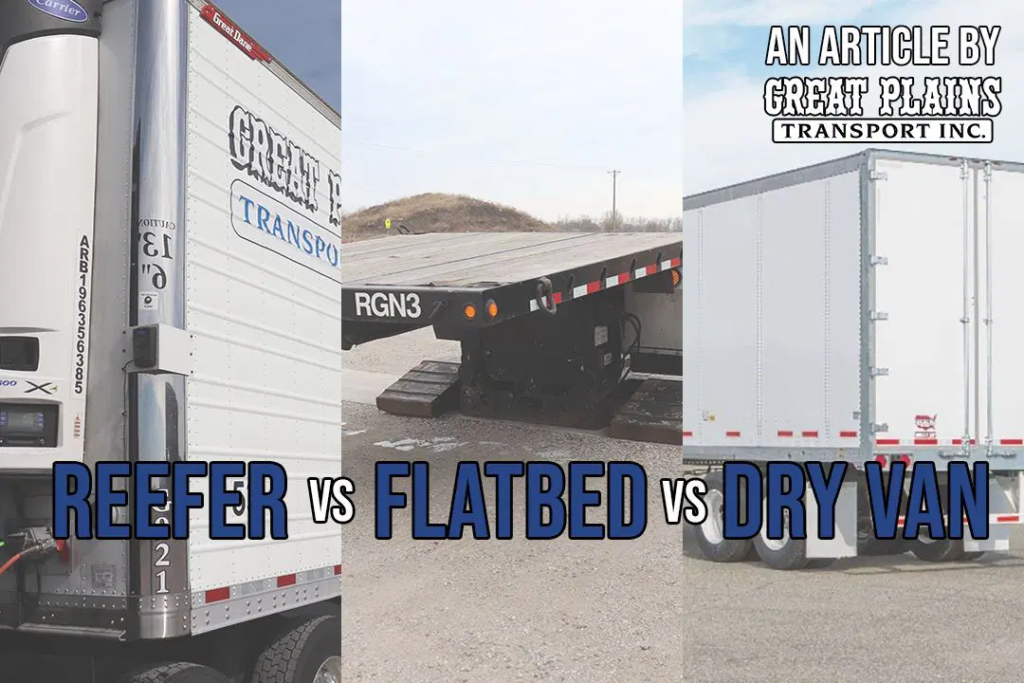
Of all trailer types, the reefers, dry vans, and flatbeds still make up the majority of truckload shipping in North America. Each of these trailers has specific tasks in logistics and transportation and selecting the wrong trailer can make a good load a problem load.These three trailer types form the foundation of modern truckload shipping and are used depending on cargo requirements, handling conditions, and operational constraints, as outlined in industry overviews of dry vans, reefers, and flatbeds. Source: https://www.tuskerchv.com/blog/dry-van-vs-reefer-vs-flatbed/
In this article, the practical information about reefers, dry vans, and flatbed trailers are discussed. Thus, we give a full description of their roles in operations, types of freight they carry, average expectations from drivers on a daily basis, and the common questions that really matter in real operations rather than in theory.
The Three Basic Trailer Types that Help in Trucking
Spending some time on the big picture first is better for a better understanding. These trailers can be seen as three fundamentally different hauling solutions:
- Dry vans that completely guard enclosed, non-sensitive freight
- Reefers that handle temperature-controlled cargo
- Flatbeds that carry oversized, irregular, or open loads
Flatbed vs Reefer vs Dry Box: The 2025 Trucking Breakdown! 🛻
The type of trailer affects the driving style, the planning of the schedule, the responsibility, and the risk.
Dry Vans: The Favored Workhorse of the Freight Transport Sector
What Is a Dry Van?
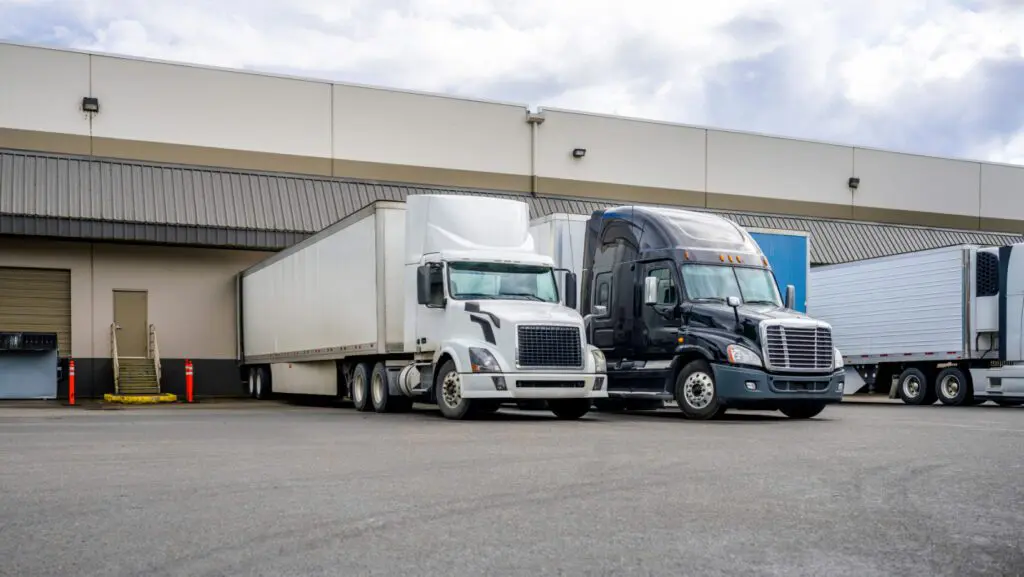
A dry van is a kind of trailer that is entirely enclosed and is built to protect freight from the weather, theft, and road debris. It is the most common kind of trailer in trucking and logistics, standing out as the backbone of the standard freight of shipping.
Dry vans capture the truckload market simply thanks to their flexibilities, ease of dispatching, and loading docks connected with them that are compatible with most.
Common Cargo Types in Dry Vans
The typical cargo that dry vans have is:
- Palletized consumer goods
- Packaged food (non-temperature controlled)
- Electronics and appliances
- Paper products
- Retail and warehouse inventory
To dry van freight, shipping logistics networks are very fast because this kind of freight handling needs not special treatment.
Dry Van Specifications That Are Important
The main specifications of dry vans, which drivers care about daily, are the following:
- Standard length: 53 feet
- Typical interior height: ~110 inches
- Payload capacity: up to ~45,000 lbs depending on tractor and axle setup
- Swing or roll-up doors
Since dry vans are standardized, it is easy to load them, predictable loading facilities, and delays due to dock congestion only and not because of equipment issues.
Pros and Cons of Dry Vans
Advantages
- Easiest trailer to operate.
- Mechanically straightforward.
- Lower maintenance costs.
- Easier for beginner drivers.
Challenges
- Compared to specialized trailers, it has a lower pay.
- Time spent at the dock can be long.
- Disagreements over freight damages frequently fall back to procedures related to documentation accuracy.
Reefers: Temperature-Controlled Transportation Made with Precision
What Is a Reefer?
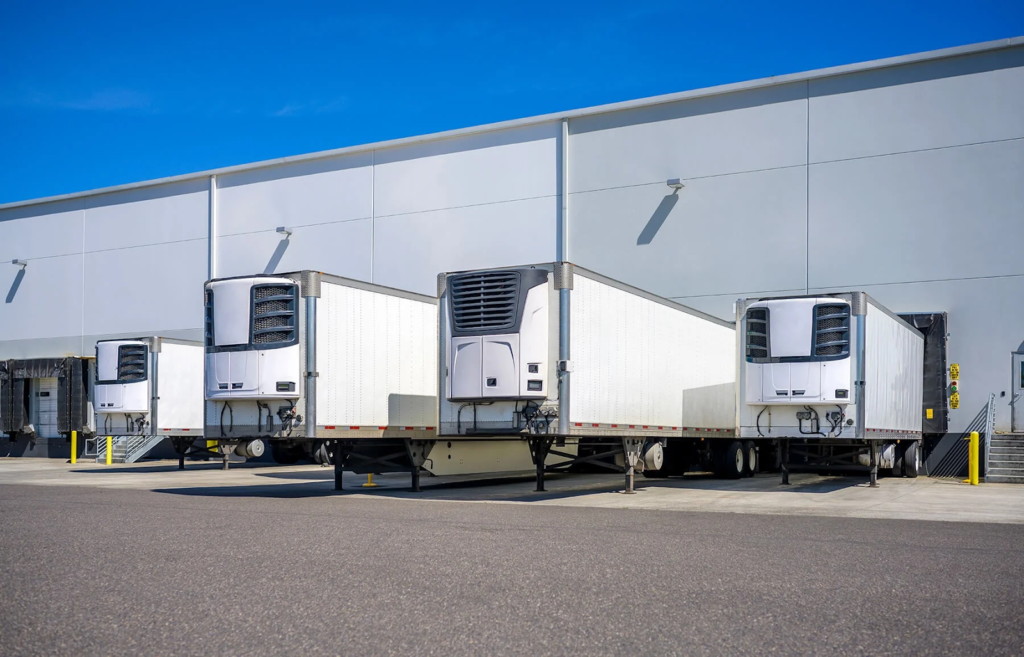
A reefer, or refrigerated trailer, is a temperature-controlled unit used to transport goods that must stay within a specific temperature range. Reefers are essential in food logistics, pharmaceuticals, and sensitive freight transportation.
Reefer hauling responsibilities are different from dry van trucking because a refrigerator is not a simple addition to it. It actually means additional technical knowledge that will dominate the entire journey.
What Freight Requires Reefers?
Refrigerated trailers mostly carry:
- Fresh and frozen food
- Produce and meat
- Dairy products
- Pharmaceuticals
- Certain chemicals and medical supplies
Temperature-controlled freight requires continuous monitoring and strict compliance.
What Drivers Learn the Hard Way About Reefer
Here are some reefer facts that most people either forget or do not take into account:
- A reefer unit works independently from the truck engine.
- The reefer has to be managed in terms of fuel levels separately.
- Pre-cooling is often required before loading.
- Temperature changes can cause a loss of an entire shipment.
Setting a correct temperature is an essential step to avoid making a profit turn to a claim.
Operational Comparison Between Reefers and Dry Vans
| Aspect | Dry Van | Reefer |
| Temperature control | None | Continuous |
| Fuel management | Only tractor | Tractor + reefer |
| Maintenance | Low | Moderate to high |
| Noise level | Quiet | Constant reefer noise |
| Load checks | Minimal | Frequent temperature verification |
Reefer Pros and Cons
Advantages
- Higher rates of pay.
- Return cargo all year round.
- Becoming an indispensable part of supply chain management.
Challenges
- Mechanical intricacy.
- Strict delivery windows.
- Assuming the liability for temperature variances.
- An extra mental burden for drivers.
Flatbeds: Unconventional Freight Transporters
What Distinguishes Flatbeds?
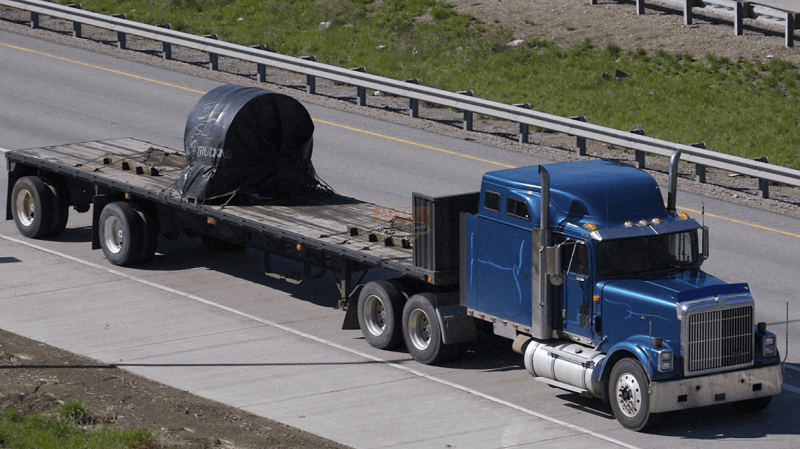
Flatbeds are open trailers for freight that cannot go in a closed trailer. The focus of flatbed hauling is more on the dimensions and volume rather than the enclosure of the trailer.
Flatbeds are not just a transportation solution; they are essential in construction, manufacturing, and heavy logistics operations.
Typical Flatbed Cargo Types
Common on flatbeds are loads, which include:
- Steel coils and beams
- Lumber and building materials
- Machinery and equipment
- Vehicles and containers
- Oversized or irregular freight
Flatbed freight transport is different from other types of freight as it needs physical involvement by the driver.
Flatbed Features that Road Users Should Remember
Some of the important features of the flatbed trailer are:
- Open deck (no walls or roof)
- Stake pockets and rub rails
- Load securement points
- Typing systems
Flatbed drivers have to learn the regulations on load securement, they do not only have to drive.
Flatbed Pros and Cons
Advantages
- The pay is higher.
- Less crowded docks.
- Involvement with cargo directly.
Challenges
- Physical labor (tarps, chains, straps).
- Weather exposure.
- Greater risk of injury.
- Rigorous DOT inspections for securement.
Side by Side Comparison of Reefers, Dry Vans, and Flatbeds
| Feature | Dry Vans | Reefers | Flatbeds |
| Trailer type | Standard | Refrigerated | Specialized |
| Freight sensitivity | Low | High | Variable |
| Driver responsibility | Moderate | High | High |
| Physical labor | Minimal | Minimal | Significant |
| Weather exposure | None | None | High |
| Pay potential | Moderate | Higher | Higher |
| Maintenance complexity | Low | High | Moderate |
Practical Questions Drivers Ask about Trailer Types
Which Is the Best Trailer for Beginners?
Most beginner drivers have big vans as a result of simple and easy prediction operations. Reefers and flatbeds contain a number of layers of responsibility that can sometimes load the rookie driver down.
Which Trailer Gives the Most Money?
Simply said:
- Flatbeds and reefers give more pay per mile.
- Dry vans are the most reliable means for scheduling.
The amount in pay varies depending on freight lanes, company structure, and driver experience.
Which Trailer Has the Most Downtime?
Dry vans tend to дискосе with the least downtime, as they have deteriorated mechanical systems and loading is quicker. There are delays faced by reefers attached to appointments and inspections. Flatbeds get time off due to securements checks and weather.
The Effect of Trailer Selection on Driving Form
The trailer choice significantly affects the way that drivers make a decision about:
- speed control
- braking distance
- route planning
- rest schedule
As an illustration:
- Reefers need to have frequent stops to check the temperature
- Flatbeds are exposed because of the load and thus need cautious driving
- Dry vans mean easier highway driving focused on the operation
Logistics and Dispatch Considerations
It is necessary for logistics to take proper action in this area and to match the right trailer to the shipment. The longer the wrong type of trailer works, the more it will affect:
- Cargo claims
- Missed appointments
- Equipment idle time
Dispatchers depend on the proper knowledge of trailer types for freight to be moved successfully.
Common Mistakes When Choosing Trailer Types
Mistake 1: Making Decisions Based Only on Pay
Trailers that pay higher are often accompanied by higher degree of risk and responsibility. Drivers who ignore this truth tend to burnout promptly.
Mistake 2: Failing to Recognize Physical Demand
Flatbed floats have a high physical demand. Drivers who are not prepared for the daily tarping and chaining will struggle.
Mistake 3: Underestimating Reefer Responsibility
Reefers need all the attention. Wrong temperature settings can cause thousands of dollars worth of damages.
Trailer Types Affecting Long-Term Career Strategy
Selecting a trailer type has a direct effect on the long-term career path:
- Dry vans revolve around the experience and consistency built.
- Reefers focus on precision and accountability.
- Flatbeds give specialized and high-value skill sets.
Many skilled drivers alternate between the types of trailers according to their priorities.
Practical Tips for Choosing the Right Trailer
- The kind of trailer to be matched with your physical capability
- Your responsibility tolerance and overseeing inclination.
- Evaluate your choices of weather exposure.
- Look for a long-term perspective rather than a short-term one.
Some Frequently Asked Questions About Reefers, Dry Vans, and Flatbeds
Are reefers more complex to drive than dry vans?
The working mechanics are similar, however, the operational responsibility is considerably higher due to temperature control and compliance.
Do flatbeds need a special license?
No child license is needed, but securement knowledge and DOT compliance are key as they are mandatory.
Is it easy for drivers to change between trailer types?
Yes, but each shift requires retraining and adjustment of thinking.
What is the trailer sector that moves most in the market?
Dry vans are by far the most stable with a constant freight demand.
Where do drivers get the skills?
Flatbeds usually gather the broadest skill set by means of securements, planning, and active engagement.
Conclusion: Gain Practical Experience
Reefers, dry vans, and flatbeds are not simply equipment choices but they indeed transform freight through the movement of the transportation system and the drivers’ feeling on their job.
Being aware of the trailer types from a trucking point of view allows drivers and logistics professionals to avoid the mistakes of making wrong decisions and establish stable careers in freight transport.
In the logistics of trucking, a suitable trailer doesn’t just move goods; it also characterizes every part of the journey. True confidence on the road comes from practical knowledge gained through real loads, real routes, and daily responsibility behind the wheel. Understanding how different trailers fit into modern transport methods helps drivers make smarter choices, adapt to changing freight demands, and grow with the industry rather than react to it.
FAQ: Reefers, Dry Vans, and Flatbeds — Practical Answers for Drivers
What is the main difference between reefers, dry vans, and flatbeds in everyday trucking?
The main difference is between how each one traile brings the benefits and deals with freight. In other words, dry vans are standard trailers, which are equipped with an enclosed cargo and are reefers that add a temperature control for sensitive loads, while flatbeds that carry appliances that are larger or of a different shape than the standard design of containers. Each of the alternatives affects driver accountability and work schedule.
Why do drivers need clear understanding before choosing a trailer type?
The most common mistake drivers make is trailer selection without practical operations knowledge. A trailer type chooses how drivers manage schedules, inspections, cargo responsibility, and downtime, which in turn affects performance and income.
What trucking questions do new drivers usually ask about trailer types?
The queries concerning trailers dominate the questions of the majority of new drivers such as which trailer is easier to deal with, which trailer pays better, and which takes fewer delays. These considerations are usually based on real-life driving conditions instead of theoretical differences.
How do different trailer types affect transport planning?
Selection of trailer determines the possible transport strategies. Dry vans are most commonly used in dock-based operations, reefers need schedule-driven distribution, and flatbeds are primarily used in construction or industrial areas, which have different planning requirements.
Which trailer features matter most for drivers on the road?
From a driver’s perspective, the most imperative trailer attributes consist of load access, securement requirements, mechanical complexity, and the trailer performance under braking, in adverse weather, and on tight maneuvering.
Can drivers switch between trailer types during their career?
Yes. A lot of drivers go through the vehicle category changes as they gain experience, change their physical capacity, or adapt to their career ambitions. Switching from one to another trailer type requires modification of the routine but in the long run, increases the chances.
Is one trailer type better for long-term trucking careers?
There is no such thing as one trailer that is suitable for all the truck drivers. On the one hand, dry vans deliver continuity, on the other hand, reefers shape precision and accountability, while flatbeds are the ones that build unique manipulation skills. The choice of the trailer should be in harmony with one’s character traits for fulfilling success in the long term.
What is the most common mistake when selecting a trailer type?
The most common mistake is to choose the trailer type based solely on pay, without taking into account the everyday workload, the level of responsibility, and the environmental factor. This nearly always results in burnout rather than lasting development.