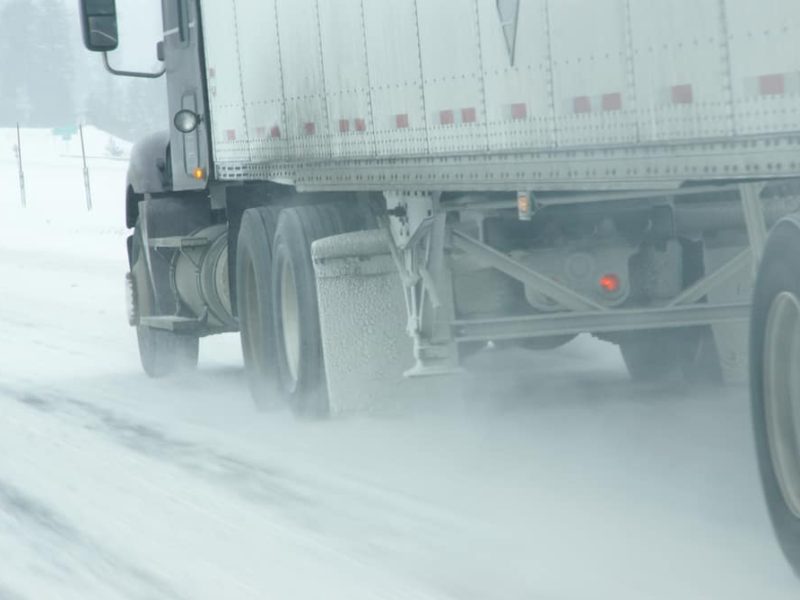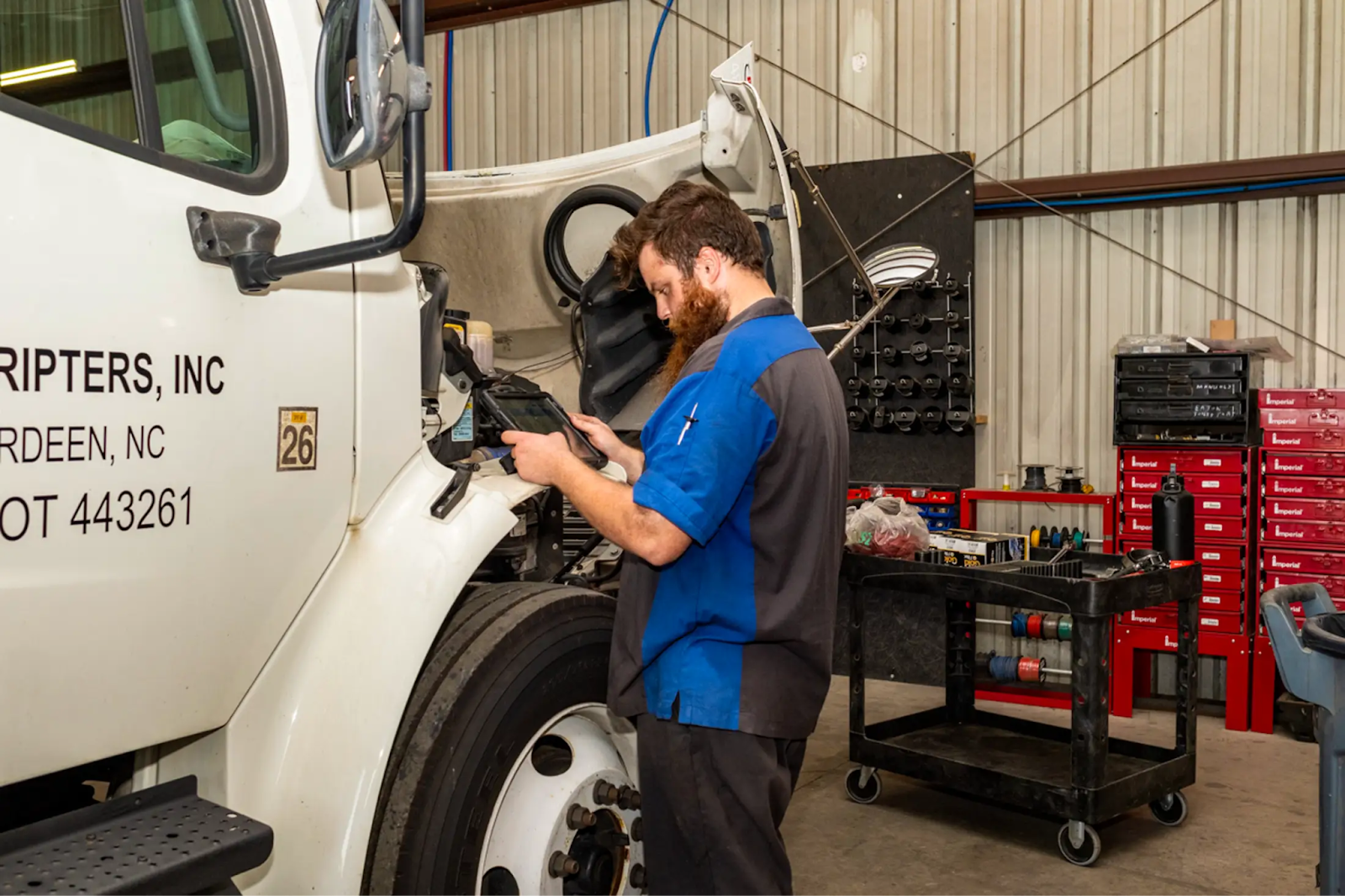
In trucking operations, releasing a machine to the line is not a formality — it is a point of no return. Once a truck departs from the yard, all the unresolved technical problems it has become little more than a safety risk, an operational disruption, or a defective device. A good quality pre-release safety checklist, therefore, is not merely a maintenance form but also a quality assurance measure to protect drivers, freight, and fleet reliability.
A safety checklist for equipment before releasing the machine to the line serves as the connecting element between maintenance completion and real-world operations.This approach aligns with FMCSA inspection and maintenance regulations requiring vehicles to be in safe operating condition before being placed into service. FMCSA inspection and maintenance regulations. It establishes that not only has the vehicle been repaired or serviced, but it is also completely fit for operational duty under live conditions.
Significance of Pre-Release Safety Checks in Trucking
Truck maintenance programs are often designed with service schedules in mind, but a lot of equipment failures occur just after the equipment is returned to service. Missing fasteners, incomplete calibrations, low-fluid levels, or unconnected exporters are just a few examples that can pass undetected unless a thorough pre-release inspection is performed.
The release phase, from a safety viewpoint, is the moment when responsibility for the machinery moves from the shop to the driver. An explicit pre-release checklist that leaves no room for assumption allows one to be sure the machine adheres to safety regulations, operates within prescribed parameters, and is fit to go on the line.
In terms of operations, this practice leads to the reduction of returns to the shop, failures on the road, and initial post-maintenance failures that are damaging to fleet efficiency and driver trust.
Risks Commonly Addressed by Pre-Release Safety Monitoring
| Problem Field | If Not Checked | Operational Effect |
| Loose parts | Vibration loosening | Roadside failure |
| Fluid levels | Overheating or seizure | Emergency downtime |
| Sensor connections | False fault codes | Reduced drivability |
| Brake response | Delayed braking | Safety violation |
| Electrical integrity | Intermittent faults | OOS inspection |
Using Safety Checklist as a Monitoring Tool Instead of a Paper Shredding
A true equipment checklist is not a list of parts that you only skim. It is a systematic safety examination designed to ascertain the operating condition, the integrity of the system, and the readiness for the real loads and routes.
The checklist before release acts as a final inspection layer which is the hardware and software issues that are addressed in the end. The last three questions are:
- Is the machine safe to operate?
- Is it complete functionally after maintenance or repair?
- Is it operationally ready for line duty without restrictions?
A pre-op review confirms that all critical systems respond correctly under operating conditions before the machine is cleared for service. If the checklist is applied correctly it turns maintenance from a task-based process into a controlled release system.
Main Areas to Cover in Pre-Release Equipment Inspection
Mechanical and Structural Safety

The core of machine safety lies within its mechanical integrity. This encompasses the visible hardware being secure, the proper torque being applied, and the absence of leakers while confirming that no temporary components or tools are remaining in the vehicle.
Structural elements, mounts, brackets, and load-bearing components must be verified not only for the presence but also for the correct installation after maintenance. Even a slight miscalibration can be amplified under stress when the truck goes into service.
Brake, Steering, and Control Systems
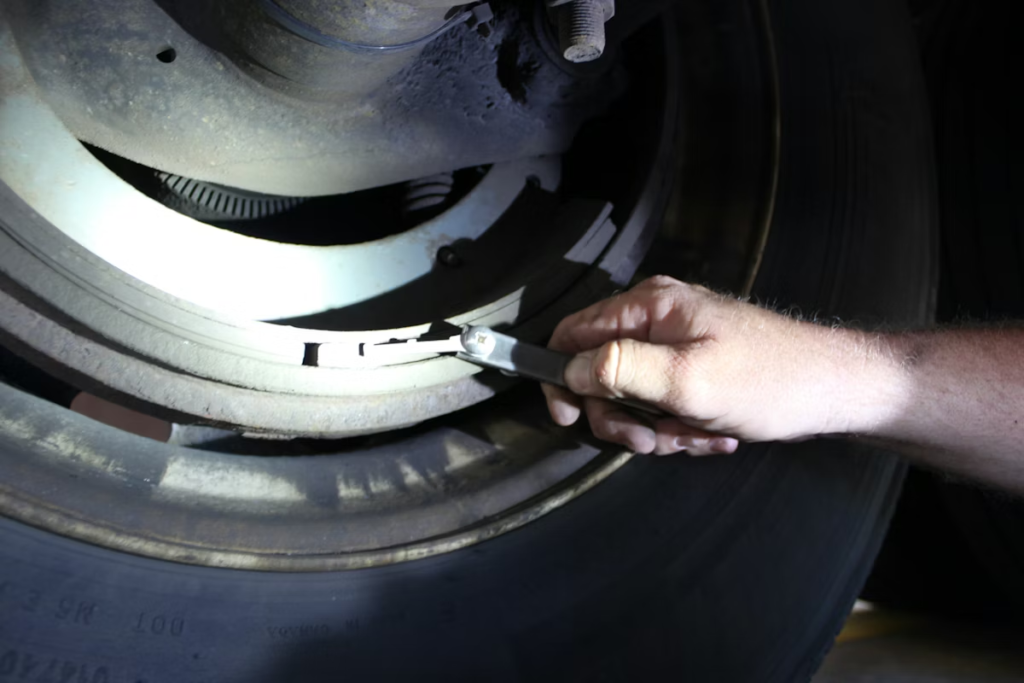
No equipment release is completed without the acknowledgement of the full functionality of the brakes and steering systems. This extends beyond static checks. For example, air build-up, response timing, pedal feel, warning indicators, and control feedback must conform with operational expectations.
Pre-operational check validates that these systems run correctly under pressure and they are not free from the delayed response or irregular operation that could compromise safety during the first miles on the road.
Safety-Critical Systems Verified Before Release
| System | Focus of Inspection | Release Risk if Missed |
| Brakes | Air response, balance | Unsafe stopping |
| Steering | Free movement | Loss of control |
| Suspension | Mounting integrity | Handling instability |
| Tires | Fitment, inflation | Blowout |
| Frame | Structural alignment | Long-term damage |
Powertrain and Operating Condition
Prompt engaging, absence of noise reading errors, and a proper understanding of communication relate to the operating condition of the engine transmission and driveline. The physical world condition must be verified after any maintenance intervention.
An operating machine that technically “runs” but shows fluctuations is not a machine that should be released. Operational readiness is about reliable predictability, not just being functional.
Electrical, Safety Systems, and Indicators
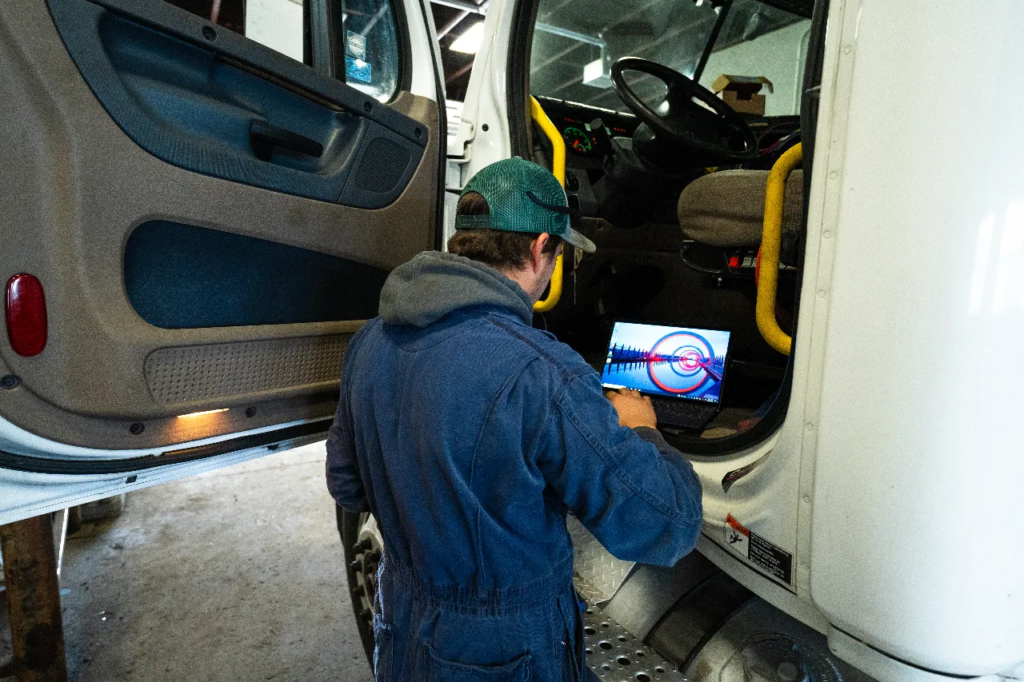
Fleets of modern trucks are, for a large part, dependent on electronic systems to keep levels of safety and compliance. Before being released, a safety inspection is pre-corrected. All indicators, fault alerts, and safety systems must be activated, calibrated, and reporting correctly.
Disconnected sensors, suppressed fault codes, or temporary bypasses used during maintenance must be fully resolved before the machine enters the equipment line.
Documentation and Quality Assurance Check
The last point included in pre-release checklist is documentation. Maintenance records, inspection confirmations, and release authorization must align. This step ensures accountability and traceability which are keys to fleet management, audits, and incident review.
Quality assurance at release involves that no step has been skipped and that the equipment meets both internal standards and regulatory expectations.
Pre-Release vs Driver Pre-Trip Responsibility
| Aspect | Pre-Release Checklist | Driver Pre-Trip |
| Responsibility | Maintenance | Driver |
| Timing | Before handover | Before trip |
| Scope | Full system validation | Visual & functional |
| Purpose | Machine safety | Trip safety |
Pre-Release Checklist vs Driver Pre-Trip Inspection
Complete CDL Class A Pre-Trip Inspection (With Air Brakes) – Watch Before Your Test!
It is essential to outline here that a pre-release checklist is not a driver pre-trip inspection. One is safety, while the other is the primary purpose.
A pre-release checklist is an operator’s insulation against malfunction. It takes care that the vehicle is safe and dressed up before it is handed over to the driver. The driver is the one who conducts the pre-trip inspection to ascertain that nothing has changed during the period of disuse.
When a fleet is relying on drivers to notice post-maintenance problems, it is a risk being transferred downstream. The right pre-released checklist keeps that responsibility exactly.
Just Meeting Inspection Criteria
Releasing equipment to the line should not be seen as just warm accessibility of threshold compliance. Quite the opposite, it is the main question of whether the truck can be loaded in a reliable manner, unaffected by the weather, traffic, and time pressure.The release to line marks the formal transfer of responsibility from maintenance to operations and must only occur after all checklist criteria are fully satisfied.
A machinery check that passes through an operational inspection but doesn’t achieve the readiness to function will still fail in use. Even if such a failure doesn’t show up right away, it will be in a place where most damage occurs – the road.
Safety here is not only preventing accidents. Today, it is the continuity of operation as well.
Typical Breakdowns from Incomplete Pre-Release Checks
Many of the recurring failures today can be attributed to hastily or incompletely conducted release processes. Most typical problems include:
- Following maintenance loose parts
- Incomplete fluid refills
- No brake or air system performance verification
- Electrical connectors seated not fully
- Software updates not validated in operation
These are all checklist failures rather than maintenance failures.
Creating a Culture Around Safe Machine Release
The fleets that fall under the category of the best performers are the ones that handle the introduction to the line as a controlled affair and not as a necessary paperwork. It is the responsibility of maintenance teams, supervisors, and fleet managers to ensure that the equipment checklist is well adhered to, properly documented, and the compliance is enforced.
This culture, in time, will cause downward spiral incident rates, create trust between drivers and maintenance, and cause overall safety performance to improve.
Safety is First at the Release
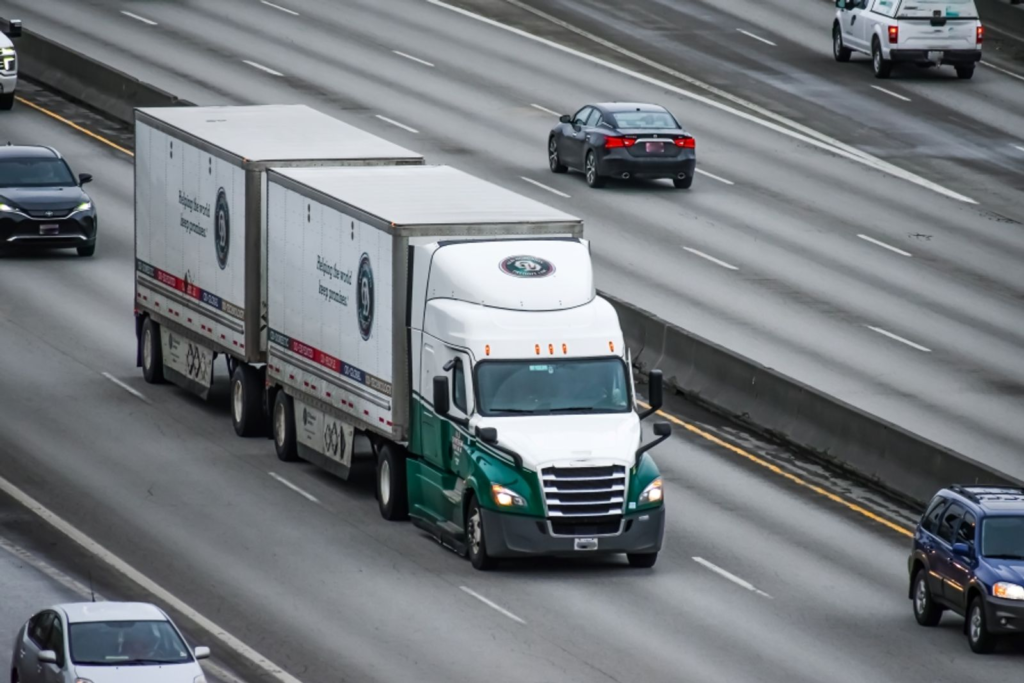
Safety checklist before releasing the machine to the line is one of the most cost-effective safety tools in trucking. The risks that are easily detectable through this process are avoided, drivers are protected, and operational stability is assured. This process can be particularly rewarding because it solves problems at the moment when they are the easiest to control – before the vehicle is exposed to traffic, load pressure, and real-world operating stress.
A structured, documented, and enforced release operation make safety standards no longer an abstraction but a real operational advantage. Instead of actively. react to roadside incidents, fleets predictance. Rather than rely on products of the imagination, they lean upon verified conditions. This change cuts the downtime, incident-related costs, puts a stonewall to mistrust among the drivers, maintenance teams, and fleet management.
The proper carrying out of the release procedure also entrench the accountability deeper in the ground. Each task reaffirms that the machine is not only operational but that it does so in a faithful and proper way. It also builds the foundations for inter-system interactions that are correct and, no matter what, no unresolved issues get passed on. In such a case, the last maintenance check is not an additional step but the closing control that verifies all previous work done before the driver has the responsibility.
After some time, both fleets that view the release procedure as a safety gate instead of a simple action, will experience fewer failures early in the product life, fewer inspections, and better equipment performance. Safety becomes proactive rather than corrective.
In truck operations, the safest mile is the one that starts with a well-released machine, and the most reliable operation is built on discipline before the wheels start turning.
FAQ: Safety Checklist and Machine Release
Why is a pre-release checklist necessary if maintenance is completed?
Because maintenance completion does not guarantee operational readiness. The checklist confirms that all systems function correctly under real operating conditions and that no secondary issues were introduced during service.
Who is responsible for the pre-release safety inspection?
The responsibility lies with maintenance and fleet operations, not the driver. This separation ensures that safety accountability is handled before the equipment reaches operational use.
Can a driver refuse equipment that passed pre-release inspection?
Yes. If conditions change or issues appear during pre-trip inspection, the driver still has authority to report and stop the release. The pre-release process reduces risk but does not eliminate the need for driver awareness.
How does a pre-release checklist reduce out-of-service events?
It addresses common post-maintenance failures before the truck reaches the road, preventing inspection violations and roadside breakdowns that often occur shortly after service.
Is documentation part of the safety checklist?
Yes. Documentation is essential for accountability, audits, and quality assurance in fleet operations, especially when incidents or inspections require traceability.
How is a pre-release checklist different from a standard maintenance check?
A maintenance check focuses on completing repairs or service tasks, while the pre-release checklist verifies that the entire machine operates safely and predictably as a system under operational conditions.
Does a pre-release checklist slow down fleet operations?
In practice, it reduces delays. By preventing repeat shop visits and roadside failures, the checklist improves overall operational flow rather than interrupting it.
How often should a pre-release checklist be performed?
Every time equipment is released to the line after maintenance, repair, or system intervention, regardless of how minor the work may appear.
Can digital checklists replace physical inspections?
Digital tools improve consistency and documentation, but they do not replace physical verification. The checklist process relies on both observation and confirmation.